
On Monday, Dictionary.com named “maxxing” its 2026 Word of the Year.
I have to be honest, I had not heard of the term until they announced it. I felt a bit out of the loop, so I stopped what I was doing to learn what it actually means. If you haven’t run into it yet, maxxing means optimizing something to the extreme. Sleepmaxxing. Gymmaxxing. Moneymaxxing. And looksmaxxing, which is the one that really gave the term it’s mainstream debut: pushing your appearance as far as it will go.
When I learned the definition of the word, my first reaction was: right. Duh.
The word isn’t what got me. The behavior is old. Everyone’s maxxing something. Here’s what I see high-achieving men maxxing, and what I’ve been maxxing for most of my life.
I Was Maxxing Before It Had a Name
As a Black man, I was trained from birth that I had to be 10x better at anything to get half as much. People of color know this. It’s not a lesson you get once. It’s the water you swim in. It’s passed down from generation to generation.
So I maxxed. Grades. Degrees. Titles. Pixar, Google, a doctorate. In every room I walked into, I was optimizing how I spoke, how prepared I was, and how little I needed from anyone.
And it worked. That’s the part people skip. The maxxing worked. It got me into rooms and built a career.
What I didn’t max was me. I left no room to reflect. No room to pause. No room to actually enjoy what I’d built. The fruits of my labor were sitting right there, and I was already looking at the next tree. My mental health, my relationships, and my awareness of the world around me often suffered as a result.
The Part of the Word Nobody Talks About
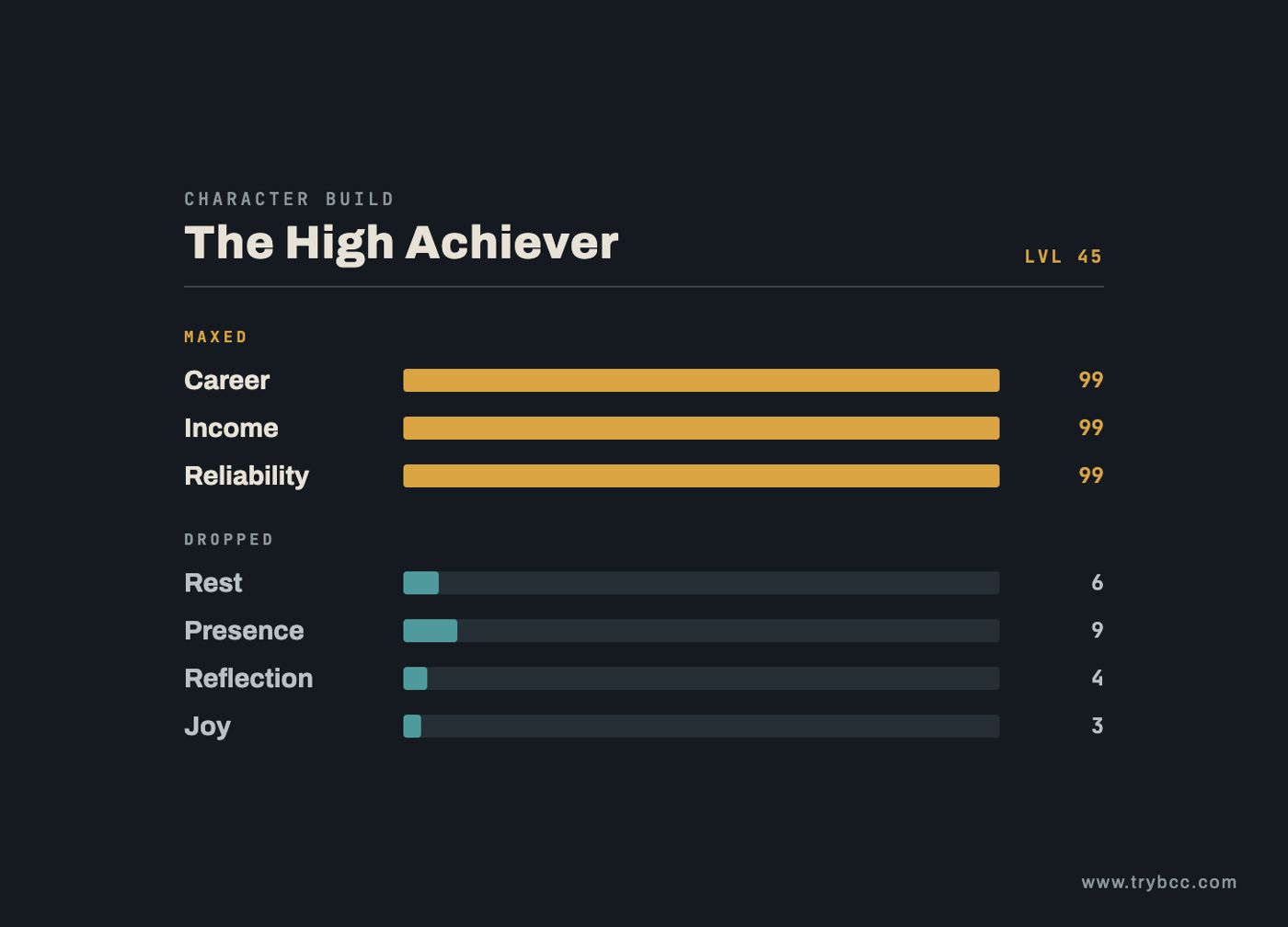
Maxxing comes from gaming. Min-maxing is when you build a character by pushing a few stats as high as they’ll go and letting the rest drop.
That’s the part that stopped me, because that’s the whole pattern. You don’t just max something. You min something else to pay for it. It’s like a see-saw.
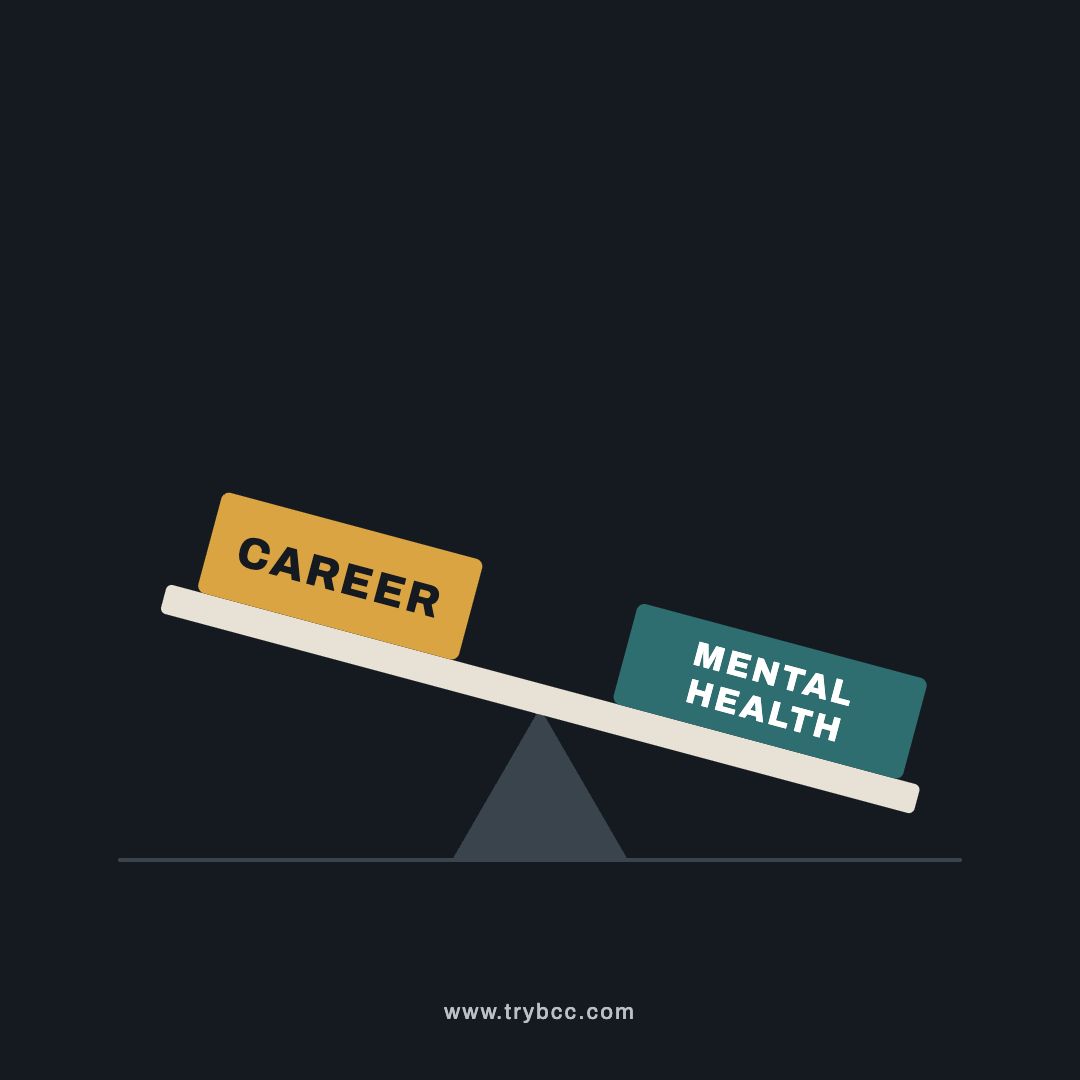
The men I work with have maxed career, income, reliability, and competence. They’re the ones everybody leans on. And the stats they let drop are almost always the same: rest, presence at home, friendship, intimacy, joy, and the ability to say “I’m not okay” out loud.
None of them call it maxxing. But when you listen closely enough, they’re describing it. One man in my research said he’d be happy if someone other than his wife recognized how hard he works. That’s a man who maxed every stat that gets measured and is starving in the one that doesn’t.
What’s Underneath It
Strip away the catchy term, and here’s what I believe sits underneath almost every version of maxxing:
The belief that who you are, as you are, isn’t enough. So you prove it. With output. With a body. With a bank balance. With a jawline.
That’s why I don’t think the dark side of this trend is separate from the rest of it. Looksmaxxing grew out of some ugly corners of the internet. It’s pulled young men toward extreme diets, steroids, surgery, and communities that rate their faces and tell them appearance is destiny. It’s easy to look at that and say, “That’s those guys. Not me.”
But look at the root. A 19-year-old obsessing over his jawline and a 42-year-old VP answering emails at midnight are running the same program: I have to earn my worth, and if I stop optimizing, I disappear.
The young guy is maxxing his face because he’s been told that’s how he gets seen. Let’s be honest, industries like entertainment, fashion, and health & wellness all reinforce this. A lot of us maxxed our careers for the same reason. And for men of color, queer men, and men who’ve had to be excellent in rooms that weren’t built for all of us, that program got installed early and reinforced every day.
I’m Not Telling You to Stop
I’m not anti-optimization. I’m a high achiever, and so are the men I coach. Your drive got you here, and it isn’t going anywhere. It shouldn’t.
The question I’m interested in isn’t whether you should stop maxxing. It’s this:
What are you actually maxxing?
What did you let drop to pay for it?
And who decided that trade was worth it?
Most of us never decided. We inherited the build. Somebody handed us a character sheet when we were kids, told us which stats mattered, and we’ve been grinding them ever since.
You’re allowed to look at that sheet now. You’re allowed to put points somewhere else.
What Changed for Me
For me, the shift wasn’t doing less. It was putting points back into the stats I’d zeroed out. Making room to reflect as part of how I operate, not as a reward I’d earn after the next milestone. Letting myself sit in a win before chasing the next one.
I’m still ambitious. I’m just not running a build that requires me to disappear.
The word will fade. Something else will be Word of the Year in 2027. But the pattern underneath it has been here a long time, and it’ll still be here when the slang moves on.
So I’ll leave you with the question I’d ask if we were sitting across from each other:
What have you been maxxing, and what has it cost you?
Leave it in the comments or send me an email at cornell@trybcc.com. I read and respond to every one.
Note to Readers:
AI detection tools exist now, which I absolutely love! You can read more about the three ways I use Claude when I write, so you always know what you’re getting from me. Check it out here!
This article first appeared on Let's Unpack That!, my newsletter on Substack. Subscribe for new essays.